Introduction to Thermal Imaging Technology
Thermal imaging technology involves the detection of infrared radiation emitted by objects, allowing for the visualization of temperature variations. This process occurs because all objects, regardless of their thermal characteristics, emit infrared radiation as a function of their temperature. The wavelength range of infrared radiation typically lies between 0.75 and 1000 microns, making it invisible to the naked eye.

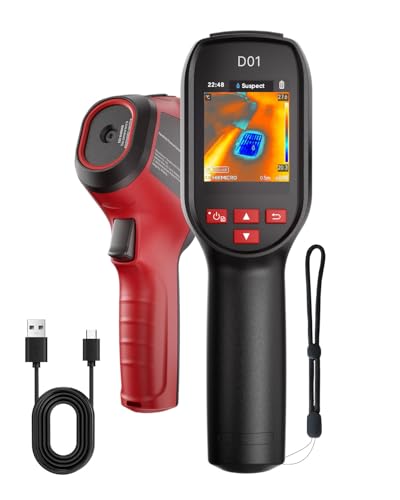

Thermal imaging cameras operate by utilizing special sensors that detect this infrared radiation. The sensors convert the thermal energy into electrical signals, which are then processed to generate visible images known as thermograms. Each pixel in the thermogram corresponds to a specific temperature, and the resulting image reveals the thermal profiles of the observed objects. Areas of higher temperature appear in brighter shades, while cooler areas are depicted in darker tones. This color gradient effectively highlights temperature differences, making it easier to identify heat sources or anomalies.
This technology has a wide range of applications across various industries. In the field of building inspection, for example, thermal imaging cameras can detect heat loss through walls and roofs, helping homeowners and builders identify insulation issues. In medical applications, these cameras are employed to monitor body temperature and detect conditions such as inflammation or circulatory issues, offering a non-invasive diagnostic tool. Furthermore, thermal imaging is extensively utilized in the military and security sectors for surveillance and target acquisition, as it can operate well in low-light conditions.
Overall, thermal imaging technology is a powerful tool that enhances the ability to analyze temperature distribution, contributing significantly to fields such as construction, healthcare, and safety protocols.
Applications in Various Industries
Thermal imaging cameras have become a versatile tool across different industries, due to their ability to visualize temperature variations and detect anomalies. One of the most prominent applications is in building inspections. Thermal imaging is used to identify insulation defects, moisture intrusions, and electrical problems within buildings. For instance, a thermal camera can effectively highlight areas of heat loss around windows and doors, facilitating energy efficiency improvements while ensuring compliance with building codes.
In the medical field, thermal imaging cameras serve a unique role in diagnostics. They are used to detect variations in skin temperature, which can indicate underlying health issues such as infections or inflammation. For example, healthcare professionals can utilize thermal imaging to monitor blood flow and identify conditions such as vascular disorders or even potential fevers, providing a non-invasive method to assess patient conditions.
Firefighting is another critical area where thermal imaging cameras prove invaluable. Firefighters employ these devices to locate hotspots in smoke-filled environments, thus enhancing their situational awareness and enabling quicker response times. By using thermal imagery, firefighters can find trapped individuals and navigate safely, significantly increasing their operational efficiency and safety during firefighting missions.
In the realm of security, thermal imaging cameras are widely utilized for surveillance and monitoring purposes. These devices can detect intruders in complete darkness or obscured visibility conditions, offering enhanced perimeter security. For instance, many military and private security forces rely on thermal imaging technology to patrol borders or secure facilities, taking advantage of the cameras’ ability to detect humans by their heat signatures.
In conclusion, the diverse applications of thermal imaging cameras across various industries underscore their importance. Whether in building inspections, medical diagnostics, firefighting, or security, the use of these cameras enhances safety, efficiency, and precision, making them an invaluable asset in numerous sectors.
Benefits of Using Thermal Imaging Cameras
Thermal imaging cameras have become invaluable tools across various industries due to their myriad of benefits. One of the primary advantages is their ability to detect problems before they escalate into serious issues. By identifying temperature variations indicative of problems like electrical faults, overheating machinery, or insulation leaks, these cameras enable timely interventions, thereby preventing potential disasters and costly repairs.
Another significant benefit of thermal imaging technology is its non-invasive nature. Unlike methods that require physical contact or disruption of operations, thermal imaging allows for continuous monitoring without interfering with the processes being assessed. This feature is particularly advantageous in industrial settings where operational downtime can lead to significant financial losses. As a result, organizations can conduct inspections without halting productivity, thereby enhancing operational efficiency.
Moreover, thermal imaging cameras play a crucial role in preventive maintenance and energy audits. Regular assessments using thermal cameras can help in identifying wear and tear or inefficiencies in equipment, allowing for proactive maintenance strategies that extend the life of machinery and reduce the frequency of unexpected breakdowns. In energy audits, these cameras can pinpoint areas where energy loss occurs, such as poorly insulated buildings, which helps organizations implement corrective measures that lead to considerable energy savings.
Additionally, the safety measures facilitated by thermal imaging are noteworthy. By detecting heat anomalies and potential fire hazards, these cameras can contribute significantly to workplace safety. This proactive approach not only protects employees but also aids compliance with health and safety regulations. Overall, the adoption of thermal imaging cameras leads to substantial cost savings and improved operational efficiency, making them a smart investment for businesses in various sectors.
Future Trends and Innovations in Thermal Imaging
The future of thermal imaging technology is poised for significant advancements that promise to enhance its applications across various sectors. One of the most notable trends is the continued improvement in camera resolution. As manufacturers develop sensors with higher pixel counts, the clarity and detail of thermal images will correspondingly increase. This advancement will empower users to detect finer temperature variances, further enhancing the utility of thermal cameras in fields such as building inspections, predictive maintenance, and medical diagnostics.
Another pivotal trend is the integration of artificial intelligence (AI) with thermal imaging systems. By leveraging AI algorithms, thermal cameras can analyze thermal data in real time, identifying patterns and anomalies that may otherwise go unnoticed. This capability holds great promise in various settings, including industrial inspections where early detection of faults can significantly reduce downtime and maintenance costs. Furthermore, AI integration allows for automated decision-making processes, streamlining operations across numerous applications.
Moreover, the increasing affordability and accessibility of thermal imaging technology signify a budding trend, particularly for small businesses and individual consumers. With the prices of thermal cameras steadily declining and their ease of use improving, more industries can adopt thermal imaging solutions. Applications are anticipated to expand beyond traditional sectors to include agricultural monitoring, wildlife conservation, and even home use for energy audits.
The potential for new applications continues to grow as technological capabilities evolve. The intersection of thermal imaging with other emerging technologies, such as drones equipped with thermal sensors, further enhances the scope of possible uses. This integration suggests a future where thermal imaging becomes integral to many industries, making it essential for stakeholders to stay informed about these trends and innovations that are reshaping the thermal imaging landscape.