Understanding the Risks in Construction Work
Construction sites are inherently filled with various hazards that pose threats to the safety and well-being of workers. Among these dangers, the risk of eye injuries stands out as a significant concern. According to the U.S. Bureau of Labor Statistics, eye injuries account for approximately 20,000 incidents each year, with a considerable percentage occurring in the construction sector. These injuries often arise from common construction activities, where exposure to flying debris, hazardous materials, and intense light is prevalent.
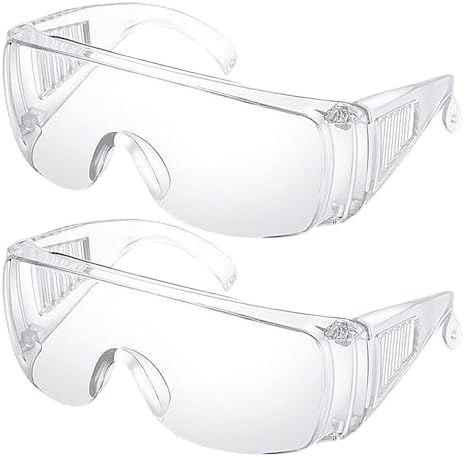


One prominent risk factor in construction work is flying debris, which can originate from numerous sources including tools, machinery, and materials being handled. Even small particles can cause severe damage to the eyes, leading to abrasions, lacerations, or even permanent vision impairment. Beyond flying debris, workers may also be exposed to splashes from hazardous chemicals or fluids used on site, which can cause burns or other adverse reactions upon contact with the eyes.
Additionally, construction environments often feature bright and reflective surfaces that can result in glare, making it difficult for workers to see clearly. This can lead to missteps or accidents that endanger not only the individual’s eyesight but also their overall safety. Understanding these risks is paramount for promoting a culture of safety in construction. Workers and employers must be aware of the potential hazards present in their work environment.
Recognizing the variety of risks associated with construction work reinforces the necessity of wearing appropriate protective eyewear. Safety goggles designed specifically for the construction industry can significantly mitigate the chances of eye injuries and should be considered a vital component of personal protective equipment (PPE).
Types of Safety Goggles and Their Features
In the construction industry, safety goggles serve as a critical component in protecting the eyes from various hazards. Different types of safety goggles are available, each designed with specific features to address the unique safety needs of construction workers.
Non-vented goggles are designed to provide a tight seal around the eyes, making them ideal for tasks that involve flying debris or hazardous materials. These goggles prevent particles from entering the eye area, offering maximum protection. However, they can fog up due to the lack of airflow, which is why anti-fog coatings are often included in their design. These coatings help to minimize condensation, ensuring clear vision during use. Additionally, non-vented goggles typically provide high impact resistance, crucial for environments where heavy objects may fall.
Vented goggles, on the other hand, incorporate small vents that allow air circulation while maintaining a barrier against contaminants. These vents help to reduce fogging, making them suitable for tasks that require extended wear, such as sanding or grinding. It is essential to ensure that the vents do not compromise safety; hence, quality vented goggles should incorporate protective screens to keep debris out. Vented goggles often feature UV protection, shielding the eyes from harmful rays if outdoor work is involved.
For workers who require vision correction, prescription goggles offer a practical solution. These goggles can be customized to the individual’s prescription, ensuring that safety does not come at the cost of visual clarity. Prescription goggles can be found with various protective features, including anti-fog coatings and impact resistance, making them suitable for multiple construction activities.
Choosing the right type of goggles is vital for safety on construction sites. It is important for workers to evaluate the tasks they will be undertaking and select goggles that offer the appropriate features for the specific hazards encountered.
Best Practices for Using Safety Goggles in Construction
Ensuring the effectiveness of safety goggles in a construction environment is paramount for protecting workers’ eyes against potential hazards. To begin with, the proper fit and comfort of safety goggles cannot be overstated. Goggles should form a snug seal against the face to prevent dust, debris, and chemicals from entering. When selecting goggles, it is advisable to try different styles and sizes to determine the most comfortable fit, which can significantly enhance compliance among workers.
Another essential aspect is the maintenance of safety goggles. Regular cleaning is vital to ensure clarity and hygiene, as smudges or dirt can obscure vision and lead to accidents. It is recommended to clean goggles using a soft cloth and a cleaning solution specifically designed for lenses. Avoid using harsh chemicals or abrasive materials, which can scratch the lens. Additionally, inspecting goggles before each use to check for scratches, cracks, or other defects contributes to their longevity and reliability.
Replacement of safety goggles is critical if any damage is detected. An important guideline is to consider replacing goggles every few years or immediately upon noticing any wear and tear. Workers should be educated about recognizing signs of deterioration—that includes cloudy lenses or broken straps—as these factors compromise the effectiveness of the goggles.
Training and education on the correct use of safety goggles also play a significant role in preventing eye injuries. Workshops or safety meetings can reinforce the importance of wearing goggles at appropriate times and demonstrate proper usage and maintenance techniques. Through consistent education, workers are more likely to adopt safe practices and understand the importance of protecting their vision in the construction environment.
The Role of Employers in Promoting Eye Safety
In the construction industry, the responsibility of ensuring eye safety significantly falls on employers. This responsibility includes not only the provision of appropriate safety equipment, such as safety goggles, but also the establishment of comprehensive training and safety programs that prioritize eye protection. Employers must recognize that protecting employees’ vision is not merely a regulatory obligation; it is an essential aspect of fostering a productive and healthy workforce.
One of the primary ways employers can promote eye safety is by supplying high-quality safety goggles that meet industry standards. These goggles should be designed to protect against specific hazards commonly encountered on construction sites, including flying debris, chemicals, and harmful UV rays. Additionally, employers should conduct regular assessments to ensure that the eyewear is properly fitted and maintained, as worn or damaged goggles can compromise eye safety.
Furthermore, employers have a crucial role in organizing training sessions dedicated to eye safety. These sessions should cover the importance of wearing safety goggles, the types of hazards present on construction sites, and the proper usage and maintenance of eye protection equipment. By educating workers about the risks and effective safety practices, employers can cultivate a workplace culture that prioritizes eye safety and hazard awareness.
Moreover, fostering a safety-oriented culture requires active collaboration between employers and employees. Encouraging feedback and open communication regarding safety concerns can contribute significantly to reducing the likelihood of eye injuries. Employers should solicit input on safety practices and remain approachable, as this can empower employees to take an active role in their safety and that of their peers.
In conclusion, by providing appropriate safety goggles, implementing training, and promoting a culture of safety, employers play a pivotal role in protecting workers’ vision in the construction industry. Their commitment to these practices ultimately leads to a safer working environment for everyone involved.