Understanding Pressure Gauges
Pressure gauges are critical instruments used to measure the pressure of gases or liquids within various systems, particularly in construction settings. These devices play a vital role in ensuring safety and efficiency in the workplace. They typically consist of a pressure-sensing element, a mechanism to convert this pressure force into a readable format, and a display that reflects the measurement. The most common types of pressure gauges include analog, digital, and differential pressure gauges, each serving unique functions based on the application.
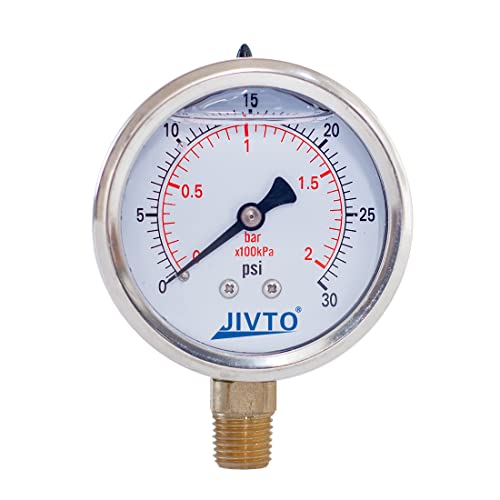
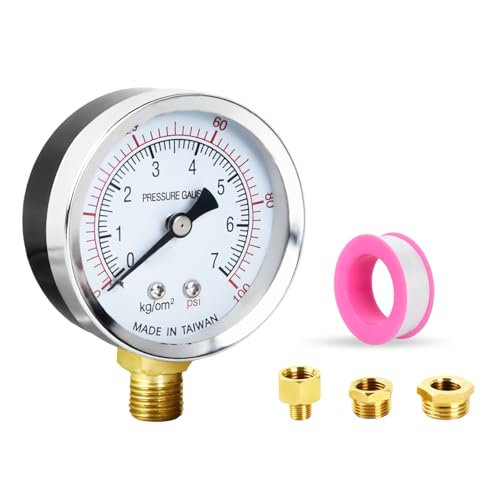
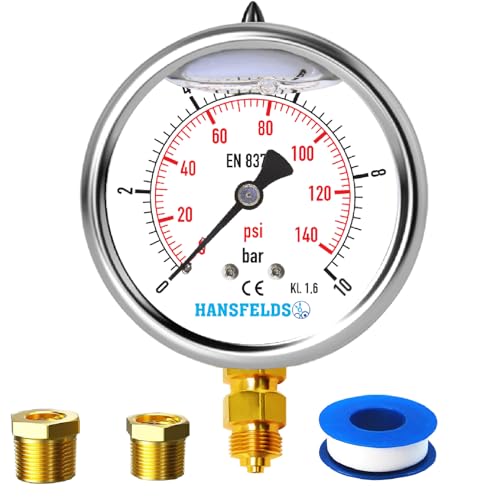
Analog pressure gauges utilize a dial to indicate pressure through a pointer that moves in response to pressure changes. Digital pressure gauges provide a numerical readout, often featuring higher accuracy and advanced capabilities such as data logging. Differential pressure gauges measure the difference in pressure between two points, which is especially useful in applications like HVAC systems or filter monitoring.
Pressure is typically expressed in various units, with psi (pounds per square inch) and bar being among the most recognized. The psi unit is prevalent in the United States construction industry, while bar is more commonly used in Europe and international contexts. Understanding these units is essential for interpreting gauge readings accurately, as units conversion can significantly affect measurements.
Calibrating pressure gauges is equally crucial for maintaining their accuracy. Regular calibration ensures that the readings provided are reliable and can help identify equipment malfunctions before they lead to critical failures. Accurate measurements support effective decision-making in construction projects, ensuring that procedures adhere to safety regulations and performance standards. As such, pressure gauges are indispensable components in the construction field, enhancing operational reliability.
Applications of Pressure Gauges in Construction
Pressure gauges are essential tools in the construction industry, facilitating numerous applications that ensure operational efficiency and safety. One of the primary uses of pressure gauges is monitoring hydraulic systems, which are widely utilized in construction machinery such as cranes and excavators. By providing real-time pressure readings, these gauges help operators maintain optimal performance and detect potential failures before they escalate into costly issues.
Another significant application of pressure gauges is in verifying the safety and integrity of construction equipment. Regular pressure checks can identify discrepancies that might indicate mechanical problems. For instance, a malfunctioning hydraulic system can lead to equipment failure, posing severe risks to workers on site. By employing pressure gauges, construction managers can preemptively address these faults, thereby enhancing workplace safety and reducing downtime.
Pneumatic tools, which are commonly used across a multitude of construction tasks, also rely on pressure gauges for proper functionality. These tools, which operate via compressed air, require specific pressure levels to perform efficiently. Monitoring these levels ensures that tools are used within their safe operating capacities, thereby prolonging their lifespan and enhancing productivity.
Furthermore, pressure gauges play a vital role in monitoring the pressure within concrete forms during the curing process. Maintaining adequate pressure is crucial for achieving optimal strength and durability in concrete structures. Real-world case studies have demonstrated that improper pressure management can lead to structural weaknesses, exposing constructions to future failures.
In conclusion, the applications of pressure gauges in the construction industry are diverse and critical. From maintaining hydraulic systems to ensuring the safe operation of pneumatic tools and monitoring concrete curing, these instruments serve to enhance both safety and performance in construction projects.
Benefits of Using Pressure Gauges in Construction Projects
Pressure gauges play a critical role in enhancing the functionality and success of construction projects. One of the primary benefits of utilizing pressure gauges is the significant improvement in safety standards. By continuously monitoring the pressure levels of various systems such as hydraulic or pneumatic tools, construction teams can detect potential failures before they occur. This proactive approach reduces the risk of accidents, ensuring that workers remain safe while operating heavy machinery or engaging in hazardous tasks.
Moreover, pressure gauges foster increased efficiency throughout the construction process. By keeping a close watch on pressure levels, construction managers can optimize the performance of equipment and fine-tune operations according to real-time data. This optimization leads to enhanced productivity, as teams can immediately address any deviations from standard operating pressures. Consistently monitored systems allow for swift adjustments and maintenance, preventing unnecessary delays and ensuring that projects remain on schedule.
Another vital advantage of pressure gauges is their contribution to quality control. By ensuring that systems operate within specified pressure ranges, these instruments help maintain the integrity and quality of the construction outputs. This is especially important in sectors where material properties must meet rigorous standards, as improper pressure can lead to substandard outcomes or even structural failures. Thus, adhering to proper pressure measurements can significantly enhance the overall quality of construction projects.
Lastly, adherence to industry regulations is typically mandated in construction. Pressure gauges assist in ensuring compliance with safety and operational protocols, thereby minimizing legal risks and enhancing project credibility. By employing these devices, construction teams can demonstrate their commitment to maintaining industry best practices, ultimately contributing to project success. In summary, the integration of pressure gauges into construction processes presents numerous advantages, including amplified safety, efficiency, quality control, and regulatory compliance.
Choosing the Right Pressure Gauge for Construction Needs
When selecting a pressure gauge for construction applications, several vital factors must be considered to ensure optimal functionality and performance. The primary decision revolves around the type of gauge. Two prevalent types are analog gauges and digital gauges. Analog gauges utilize mechanical movements and provide real-time readings with a dial, known for their durability and simplicity. On the other hand, digital gauges deliver precise readings with electronic displays, often including additional features like data logging and remote connectivity.
The pressure measurement range is another critical consideration. Each construction application may require specific pressure ranges, so it is essential to choose a gauge that accommodates expected pressure levels. Selecting a gauge with a range that is too narrow can lead to inaccurate readings, while one with a range that is too broad may not provide the necessary precision.
Moreover, material compatibility is key. Construction environments often expose gauges to various substances that could cause corrosion or damage. It is crucial to select gauges made from materials that can withstand the construction site’s conditions, ensuring longevity and sustained performance. Additionally, the environmental conditions should be carefully assessed; for instance, equipment used in extreme temperatures or high-humidity areas needs to be rated accordingly.
Accuracy ratings are an essential factor that should align with the application’s requirements. Certain projects may demand high precision, while others may tolerate lower accuracy. Understanding these specifications prevents complications that could arise from improper readings. Furthermore, regular maintenance and calibration of pressure gauges are indispensable to guarantee their reliability over time. Simple routine checks and calibrations can significantly extend the lifespan and ensure accurate performance of pressure gauges on construction sites.