Understanding Multimeters: A Fundamental Tool for Electricians
A multimeter is an essential instrument used by electricians to measure various electrical parameters. It can assess voltage, current, and resistance, making it a versatile tool for both professionals and hobbyists. Multimeters are available in two main types: analog and digital. Analog multimeters utilize a moving needle and a dial to display readings, while digital multimeters, which are more prevalent today, provide numerical readings on an electronic display.
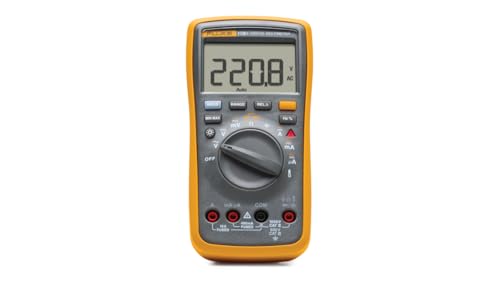
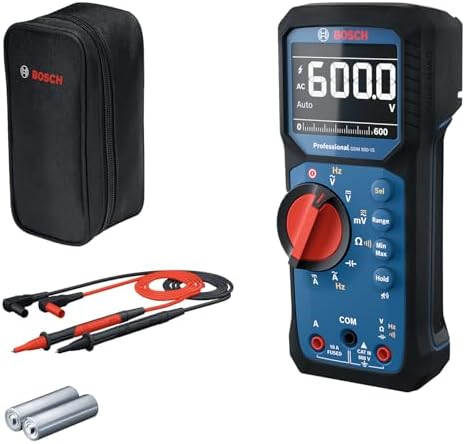

The functionality of a multimeter relies on its various components. Most multimeters consist of a display, a selection switch that allows the user to choose the measurement type, input terminals for probes, and a battery for power. When measuring, the electrician connects the probes to the circuit and sets the multimeter to the appropriate function, ensuring accurate readings for their specific task.
One of the primary reasons multimeters are considered essential tools for electricians is their ability to facilitate electrical troubleshooting. By measuring the voltage across a circuit, for instance, an electrician can determine whether a circuit is functioning properly or if there is a fault somewhere in the system. Additionally, multimeters can help in diagnosing issues such as short circuits, open circuits, and load problems.
The versatility of multimeters extends beyond mere voltage readings; they can also measure current flow and resistance in components. This allows electricians to assess the integrity of electrical installations and identify potential problems before they escalate. Furthermore, many modern multimeters come with additional features, such as capacitance measurement and continuity testing, further enhancing their functionality.
In summary, a multimeter is a fundamental tool that plays a vital role in the work of electricians. Its ability to measure various electrical parameters, coupled with its user-friendly design, makes it invaluable for anyone involved in electrical work.
Key Functions of Multimeters Used by Electricians
Multimeters are vital tools for electricians, enabling them to measure various electrical parameters accurately. Among the key functions of multimeters are measuring voltage, current, and resistance, each of which plays a crucial role in ensuring the safety and efficiency of electrical systems.
Measuring voltage is one of the primary functions of a multimeter. Electricians routinely assess both alternating current (AC) and direct current (DC) voltages to determine whether the electrical supply within a circuit is within specified limits. For instance, when troubleshooting an electrical outlet, an electrician may measure the voltage to ensure it aligns with the expected range for that outlet type. This helps identify any anomalies, such as short circuits or overvoltage conditions, which can lead to equipment damage or electrical fires.
Another essential function is the measurement of electrical current. Electricians utilize this capability to gauge the flow of electricity through circuits. It is particularly important when evaluating whether systems are overloaded or when diagnosing malfunctioning devices. By monitoring current levels, electricians can take corrective actions to prevent overheating or system failures.
Resistance measurement is also critical. This function allows electricians to test the integrity of electrical wiring and connections. By measuring resistance, they can detect issues such as corroded connections, which might lead to increased resistance and, subsequently, reduced efficiency. For example, in a circuit where a light fixture is dimmer than usual, evaluating the resistance can help pinpoint poor connections that may not be visibly apparent.
The combination of these three functions—voltage, current, and resistance—enables electricians to perform comprehensive diagnostics, ensuring that electrical systems operate effectively and safely. Understanding and utilizing the multimeter effectively is crucial for any electrical professional aiming for precision in their work.
Practical Applications of Multimeters in Electrical Work
Multimeters are indispensable tools for electricians, enabling them to diagnose, test, and ensure the safety of electrical systems. The versatility of these devices allows electricians to address a wide range of practical applications in their daily tasks. One of the primary functions of a multimeter is to measure voltage. Electricians use it to check both AC and DC voltages in various circuits, ensuring that the voltage levels are within permissible limits for safe operation.
Another critical application of multimeters is the measurement of current. Using the multimeter in series with a circuit, electricians can monitor the current flowing through it. This capability is essential for diagnosing issues such as overloads or short circuits, which can indicate potential system failures. For instance, if a particular appliance is drawing excessive current, it signals an underlying problem that requires immediate attention.
Resistance measurement is also a frequent use of multimeters. Electricians test resistance across components to assess the integrity of circuits and connections. A common scenario involves checking the resistance of wiring, as high resistance can indicate faulty connections or damaged wires. Furthermore, multimeters can be used to perform continuity tests. By checking for continuity, electricians can ensure that there are no breaks in the circuit, which is vital for troubleshooting issues in large installations.
In terms of safety, multimeters are often employed to verify the absence of voltage before electricians begin maintenance work. This ensures that systems are de-energized, significantly reducing the risk of electric shock. Overall, the practical applications of multimeters in electrical work not only streamline diagnostics but also enhance the safety and efficiency of electrical systems.
Best Practices for Using Multimeters Safely and Effectively
Working as an electrician involves handling complex electrical systems, and a multimeter is an essential tool in this regard. To ensure that your work is conducted safely and effectively, it is crucial to adopt best practices when using a multimeter. Proper handling techniques should be the first priority. Always ensure that the multimeter is in good working condition and check the probes for any signs of wear. Damaged probes can lead to inaccurate readings or safety hazards.
When measuring voltage or current, it is important to choose the correct settings on the multimeter. Familiarize yourself with its different functions, such as AC and DC voltage measurements. Setting the multimeter incorrectly can result in damaging the device, the circuit, or even causing electrical shocks. Thus, understanding the operational manual of the multimeter is vital; reference it frequently and ensure you are aware of each function it offers.
In addition to handling and settings, safety precautions are paramount. Before connecting the multimeter to a circuit, always ensure that it is powered off. This minimizes the risk of electric shock. Furthermore, avoid measuring current in a circuit that is powered on without the proper setting, as this could lead to severe injuries or equipment damage. Respect the limits of the multimeter, such as its max voltage and current ratings, to prevent malfunction.
Lastly, create a safe working environment. This includes avoiding wet or conductive surfaces that could lead to accidents. Keeping the multimeter and workspace organized will assist in preventing mishaps while you work. By adhering to these best practices, electricians not only enhance their efficiency but also prioritize their safety when using multimeters.