Introduction to Moisture Meters
Moisture meters are essential tools in the construction industry, employed to assess the moisture content of various materials such as wood, concrete, and drywall. Their primary purpose is to provide accurate readings that help construction professionals determine the suitability of materials for use. High moisture levels can lead to severe issues like mold growth, material degradation, and structural damage, making moisture measurement crucial for maintaining building integrity.
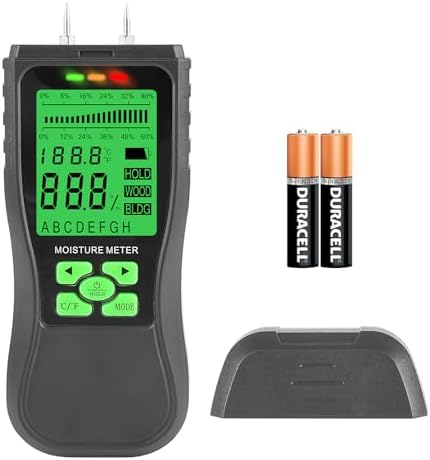

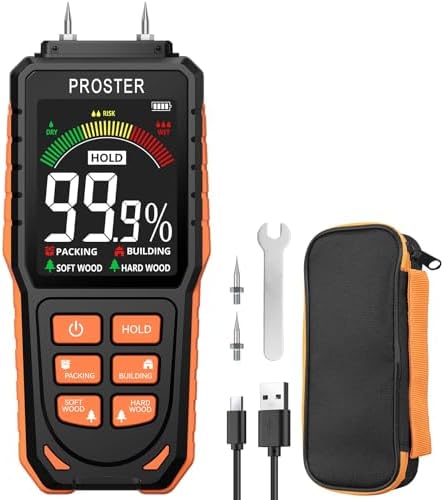
Moisture meters generally come in two types: pin-type and pinless models. Pin-type moisture meters utilize metal probes that penetrate the material to measure moisture levels. When the probes are inserted, an electrical current passes between them, and the resistance encountered reflects the moisture content. This method is highly accurate for materials with a higher density, such as wood and drywall.
On the other hand, pinless moisture meters measure moisture content without causing damage to the material. These devices use electromagnetic waves to detect moisture levels beneath the surface. Pinless meters are particularly useful for assessing larger areas or delicate materials where penetration is not an option, such as finished walls or wood flooring.
Understanding the role of moisture meters in construction is invaluable. Construction professionals must monitor moisture levels throughout the building process to avert potential problems that could arise from excess moisture. Accurate moisture readings help in ensuring that materials are dry enough for installation, subsequently reducing the likelihood of mold growth and other moisture-related damages.
The Importance of Moisture Measurement in Construction
Measuring moisture is a critical component in construction projects, as excessive moisture levels can lead to a myriad of issues that jeopardize both the integrity of structures and the health of occupants. High moisture content in building materials such as wood, drywall, and concrete can instigate mold and mildew growth, which poses health risks and can incur significant remediation costs. Research indicates that over 50% of buildings experience moisture-related problems, making this an urgent concern for contractors and property owners alike.
Moreover, elevated moisture can drastically impact the durability of construction materials. For instance, wood subjected to prolonged high moisture can warp, swell, or rot, reducing its lifespan and functionality. Concrete, when exposed to high moisture levels, may suffer from efflorescence, compromising its structural integrity and leading to costly repairs. According to statistical data, moisture-related issues have been shown to increase maintenance and repair costs by up to 15% annually, indicating a substantial economic impact.
The ability to monitor and manage moisture effectively can influence project timelines significantly. When moisture levels exceed acceptable limits, construction may be stalled until conditions improve, thereby extending project duration and inflating costs. For example, a project faced with delayed flooring installation due to improper moisture readings can push the completion date back by weeks, affecting not only budgets but also client satisfaction.
Ultimately, the incorporation of moisture measurement tools in construction enhances decision-making processes, fosters proactive management strategies, and mitigates risks associated with moisture-related damages. By ensuring optimal moisture levels are maintained throughout the construction phase, stakeholders can safeguard their investments, uphold building quality, and protect the wellbeing of future occupants.
How to Use a Moisture Meter Effectively
Using a moisture meter effectively is essential for accurate assessments in construction settings. First, it is vital to select the appropriate type of moisture meter based on the materials you will be testing. There are two common varieties: pin-type meters and pinless meters. Pin-type meters penetrate the material with small pins to measure moisture content, while pinless meters use electromagnetic sensors. Each has its advantages; for instance, pinless meters can be less invasive, making them suitable for surfaces like hardwood floors.
Once you have chosen your moisture meter, familiarize yourself with its operation by consulting the user manual. Before taking measurements, ensure the meter is calibrated correctly, as this can significantly affect the readings. For pin-type meters, insert the pins into the material to a consistent depth, usually around 1/8 inch to 1/4 inch, for reliable results. Pinless meters should be held flat against the surface, ensuring that no gaps exist between the sensor and the material.
When reading the meter, pay attention to the display and note any fluctuations that may indicate inconsistencies. It is also important to be aware of common mistakes, such as not accounting for surface moisture or testing materials that the meter is not rated for. Always interpret the readings in the context of acceptable moisture levels for the specific materials involved. For example, a moisture level above 19% in wood may indicate possible issues, while concrete typically accepts levels below 4% for safe installations.
Incorporating these techniques will equip you to utilize moisture meters effectively in various construction projects, ensuring proper material conditions and overall project integrity.
Integrating Moisture Meter Readings into Construction Practices
Moisture meters play a vital role in modern construction practices, influencing various decisions throughout the project lifecycle. By accurately measuring moisture levels in materials and environments, builders can make informed choices regarding drying times, material selection, and necessary preventive measures. This data becomes crucial in avoiding moisture-related issues that can compromise structural integrity and building performance.
For instance, during the selection of building materials, moisture meter readings can guide contractors in opting for products that are not only suitable for the intended environment but also compatible with existing moisture conditions. This choice can mitigate potential problems such as mold growth and rot, which can arise from using moisture-saturated materials. Furthermore, knowledge of moisture levels assists in scheduling drying times more effectively, ensuring that structures are ready for subsequent phases of construction without unnecessary delays.
Regular moisture monitoring is also a cornerstone of quality assurance in construction. By routinely testing moisture levels with moisture meters, contractors can maintain compliance with building codes and standards that stipulate acceptable moisture thresholds. This adherence not only safeguards the quality of the construction but also enhances the safety and longevity of the building.
Moreover, establishing a consistent routine for recording moisture meter readings allows builders to create a comprehensive database that tracks moisture levels throughout different stages of the project. Implementing best practices for record-keeping can streamline communication among team members and ensure that any moisture concerns are addressed promptly. Overall, the integration of moisture meter data into broader construction practices exemplifies a proactive approach to building, fostering a culture of diligence and attention to detail that is paramount for successful project outcomes.