Introduction to Logic Analysers
A logic analyser is a crucial instrument utilized in the field of electronics, primarily designed to capture and analyse digital signals. Its key function is to provide insights into the operation of digital systems by monitoring multiple signal states over time, allowing engineers and technicians to visualize how data flows through a circuit or system. This capability is vital for evaluating the performance and ensuring the reliability of electronic devices.
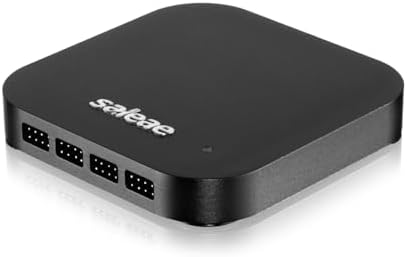

Unlike an oscilloscope, which primarily measures analog signals, a logic analyzer specializes in interpreting digital signals that are either high (1) or low (0). By connecting the device to various points in a circuit, it can track these binary states across various channels simultaneously. This multi-channel functionality enables comprehensive analysis, particularly when debugging complex systems with assorted data lines.
When a logic analyser captures data, it records the timing of signal transitions and displays this information in a user-friendly format, typically as waveforms or state tables. Engineers can review these visual representations to identify issues such as timing errors, incorrect logic levels, and various other malfunctions. The importance of a logic analyser is especially pronounced during the validation phase of design, as it assists in verifying that the circuits perform as intended.
Additionally, modern logic analyzers come equipped with advanced features such as triggering conditions, protocol decoding, and real-time analysis. These enhancements facilitate more efficient debugging processes, granting engineers the power to resolve issues swiftly. In the context of electronic testing, the logic analyzer stands out as an indispensable tool, simplifying the process of ensuring that electronic circuits operate correctly and efficiently.
Types of Logic Analysers
Logic analyzers are vital tools used for capturing and analyzing digital signals in electronic systems. They are available in various types, primarily categorized into standalone units and PC-based options. Each type has its unique characteristics, benefits, and limitations, making it essential to understand which one fits a particular testing scenario.
Standalone logic analyzers are independent devices equipped with their own processing capabilities, memory, and user interface. These units are suitable for portability, allowing engineers to conduct tests in different locations without the necessity of a connected computer. Standalone models often provide a comprehensive feature set, including multiple channels and varying sampling rates. However, their relatively higher cost and limited display size can be seen as disadvantages.
On the other hand, PC-based logic analyzers rely on a personal computer for processing and displaying data. This type often offers enhanced functionality due to the computational power of modern computers. Features such as larger screens and advanced software tools can simplify the analysis of captured signals. Additionally, this option tends to be more cost-effective for comprehensive testing needs, as the hardware can be less expensive than standalone counterparts. However, portability and convenience can be drawbacks, as a desktop or laptop is required during testing.
When selecting a logic analyzer, it is crucial to consider factors such as channel count, which indicates how many signals can be monitored simultaneously, and sampling rate, which affects the accuracy of captured data. Assessing the specific testing requirements, such as the complexity of the digital signals and the testing environment, will aid in choosing the appropriate logic analyzer. Understanding these types allows engineers to make informed decisions that cater to their unique needs and enhance their testing capabilities.
Applications of Logic Analysers in Testing
Logic analyzers serve as invaluable tools in the realm of digital systems testing, providing engineers with the ability to capture and analyze multiple signals simultaneously. Their primary applications span debugging, protocol analysis, and timing analysis, making them essential for effective troubleshooting in various scenarios.
One of the most prominent applications of logic analyzers is in debugging digital circuits. Engineers often encounter complex issues in hardware development, where the behavior of the system does not align with expectations. By employing a logic analyzer, users can visualize the state changes of different signals, allowing them to pinpoint discrepancies. For instance, if a memory device fails to respond as intended, the logic analyzer can provide real-time data that helps an engineer track down the malfunctioning components or code faults.
Moreover, protocol analysis is another critical application of logic analyzers. These devices are adept at interpreting digital communication protocols such as I2C, SPI, UART, and more. When engineers are developing embedded systems, they need to ensure that their devices communicate effectively. A logic analyzer can capture and decode protocol traffic, revealing data packet exchanges that may be corrupted or misinterpreted, thus enabling engineers to diagnose and rectify communication failures.
Additionally, timing analysis is an essential aspect of digital circuit testing. Logic analyzers can analyze the timing relationships between various signals, identifying issues such as setup and hold time violations. For example, in high-speed designs, ensuring that signals meet specific timing requirements is crucial for reliable operation. By employing a logic analyzer, technicians can measure propagation delays and timing margins, thereby ensuring that the digital system performs reliably under various operational conditions.
These applications illustrate the versatility and necessity of logic analyzers in modern electronic testing environments, supporting engineers and technicians in their quest for optimal performance in digital systems.
Best Practices for Using a Logic Analyser
Utilizing a logic analyzer effectively involves adhering to certain best practices that maximize the reliability and accuracy of the data obtained. First and foremost, it is crucial to ensure proper setup of the logic analyzer. This includes selecting the appropriate voltage levels and configuring the triggering options to capture the necessary signals accurately. Selecting the correct probe attachment style will also contribute to more reliable signal integrity during testing.
Another critical practice is to avoid common pitfalls. One common mistake is neglecting the ground connection; a poor ground can introduce noise that complicates data interpretation. It is also important to minimize signal degradation by keeping connections short and keeping the signal lines away from sources of electromagnetic interference.
Once the data is collected, interpreting the results becomes paramount. Familiarizing oneself with the system under test is essential. A comprehensive understanding of how the system is designed to function allows for more informed analysis of the waveforms produced. Being able to differentiate between normal behavior and anomalies based on expected patterns will guide the troubleshooting process effectively.
In practice, adopting a systematic approach to reviewing the captured data is helpful. Utilize features of the logic analyzer such as programmable triggers and filtering options to focus on relevant data sections. Highlight critical timing measurements and correlate them with the behavior of your system. This attention to detail aids in pinpointing issues that might not be obvious at first glance.
Finally, keep a meticulous record of your findings. Documenting tests conducted, results observed, and modifications made is invaluable for future reference. This practice not only enhances the learning process but also ensures replicable results in subsequent tests. By following these best practices, one can harness the full potential of a logic analyzer, leading to improved outcomes in testing and analysis.