What are Air Quality Monitors?
Air quality monitors are essential devices designed to measure various components of air quality, providing critical data that informs users about the purity and safety of the air they breathe. These monitors serve an important purpose in assessing the presence of pollutants and determining overall air health. By continuously monitoring specific air quality indicators, these devices enable individuals and organizations to take appropriate measures to improve their indoor or outdoor environments.
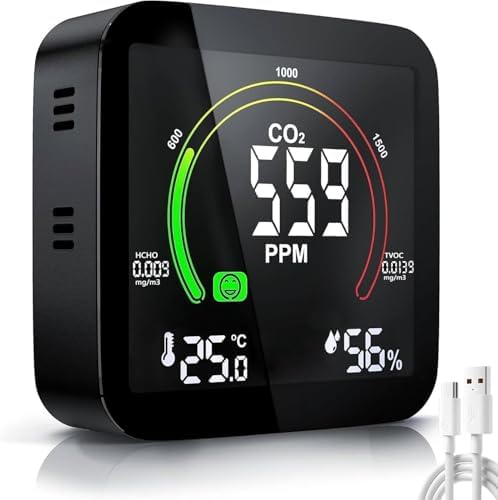

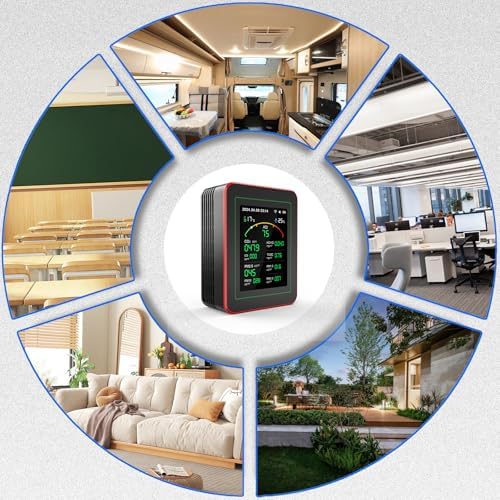
There are primarily two categories of air quality monitors: portable devices and fixed installation units. Portable air quality monitors offer the advantage of being lightweight and easy to move, allowing users to assess air quality at different locations seamlessly. This mobility is particularly beneficial for outdoor enthusiasts, environmental researchers, or anyone who wants to gauge air quality during travel or outdoor activities. Conversely, fixed installation monitors are typically set up in designated spaces, such as offices, homes, or factories, to provide continuous and real-time tracking of air quality parameters without the need for frequent relocation.
These monitors measure various pollutants that can significantly impact health and well-being. Key parameters include particulate matter (PM), which encompasses tiny particles in the air that can penetrate the respiratory system; volatile organic compounds (VOCs), which are emitted as gases from certain solids or liquids and can have long-term health effects; and carbon dioxide (CO2), a natural component of the atmosphere that, in high concentration, can indicate poor ventilation and potential discomfort. Additional harmful pollutants may also be evaluated, ensuring a comprehensive view of air quality in their respective environments.
Why is Air Quality Important?
Monitoring air quality is essential due to its profound impact on both human health and environmental sustainability. Poor air quality, often characterized by elevated levels of pollutants, can significantly affect individuals, particularly vulnerable populations such as children, the elderly, and those with pre-existing conditions. Numerous studies indicate that exposure to polluted air can lead to a range of respiratory issues, including asthma and chronic obstructive pulmonary disease (COPD), as well as cardiovascular problems such as heart attacks and strokes. These health impacts not only reduce the quality of life but also impose substantial burdens on healthcare systems.
Furthermore, the long-term effects of poor air quality can be particularly severe for children, whose developing lungs and immune systems are sensitive to pollutants. Likewise, the elderly may experience exacerbated health challenges resulting from diminished respiratory capacity. Those with pre-existing health conditions, such as diabetes or heart disease, are also at heightened risk. Consequently, monitoring air quality through effective air quality monitors can help in identifying pollution sources and mitigating harmful exposure.
Beyond individual health implications, air quality has broader environmental ramifications, with significant contributions to climate change. Air pollutants, such as particulate matter and greenhouse gases, play a critical role in this complex issue. Poor air quality can lead to detrimental environmental changes, including altered weather patterns and diminished ecosystem resilience. By raising awareness about the detrimental effects of air pollution, we can support efforts to enhance air quality regulations and promote cleaner energy solutions.
In conclusion, the importance of air quality cannot be overstated. Understanding its implications on health and the environment is vital for fostering a sustainable future. Implementing robust air quality monitoring systems is a necessary step toward ensuring a healthier population and preserving the planet for future generations.
Common Uses of Air Quality Monitors
Air quality monitors serve a diverse range of applications that play a crucial role in safeguarding public health and enhancing environmental awareness. One prominent use is in residential settings, where these devices help ensure indoor air safety. Homeowners utilize air quality monitors to detect harmful pollutants, allergens, and volatile organic compounds (VOCs) that can compromise indoor air quality. By providing real-time data, these devices enable residents to take necessary measures—such as improving ventilation or reducing exposure to certain chemicals—thereby fostering a healthier living environment.
Another significant application of air quality monitors is in workplaces. Employers use these devices to comply with health regulations, ensuring safe air quality for employees. Monitoring air quality parameters such as particulate matter and carbon dioxide levels can help identify potential health hazards, allowing management to implement corrective actions and promote occupational safety.
Urban planning and public health initiatives greatly benefit from the integration of air quality monitors. City planners and health officials employ these devices to assess pollution levels and their effects on community health. Data gathered from air quality monitors contribute to strategic planning aimed at reducing pollution exposure in urban environments, helping to create healthier cities.
In educational settings, air quality monitors are increasingly being used for awareness and research purposes. Schools and universities utilize these monitors to educate students about the implications of air quality on health. Furthermore, this data can support research initiatives aimed at understanding air pollution trends and their long-term effects on public health.
Emerging trends in the use of air quality monitors include the development of smart devices equipped with internet connectivity. These advanced monitors allow for remote monitoring and analysis, enabling users to access real-time data from anywhere. Such technological advancements are pivotal in addressing air quality issues effectively and promoting public awareness.
Choosing the Right Air Quality Monitor
When it comes to selecting an air quality monitor, it is essential to assess your specific needs and circumstances. An effective air quality monitor should provide accurate and reliable measurements that can influence the health and comfort of your indoor environment. One of the primary factors to consider is the measurement accuracy of the device. High-quality monitors typically offer precision in detecting pollutants, while lower-end models may provide misleading information.
Another critical aspect to evaluate is the range of pollutants that the device can detect. Various air quality monitors can measure different contaminants, including particulate matter (PM2.5 and PM10), volatile organic compounds (VOCs), carbon dioxide (CO2), and ozone levels. Depending on your needs—whether for a home, office, or industrial setting—you should choose a monitor that detects the pollutants relevant to your environment.
Price points for air quality monitors can vary widely, so establishing a budget is also advisable. While it is tempting to go for cheaper models, investing in a reputable brand ensures better accuracy, durability, and customer support. Additionally, consider the ease of use of the device. Features like a user-friendly interface, a clear display, and the ability to read results at a glance can significantly enhance the user experience.
Modern air quality monitors come with added functionalities, such as connectivity features or app integration. These allow users to monitor air quality data remotely and receive real-time alerts, which can be invaluable for maintaining a safe environment. Furthermore, ensuring that the monitor you choose comes with proper certifications from reputable organizations can attest to its reliability and effectiveness. Therefore, taking the time to research and choose a trusted brand will ultimately lead to a more effective monitoring experience.